Tracy Tiernan - January 15, 2026 - Drug Crimes
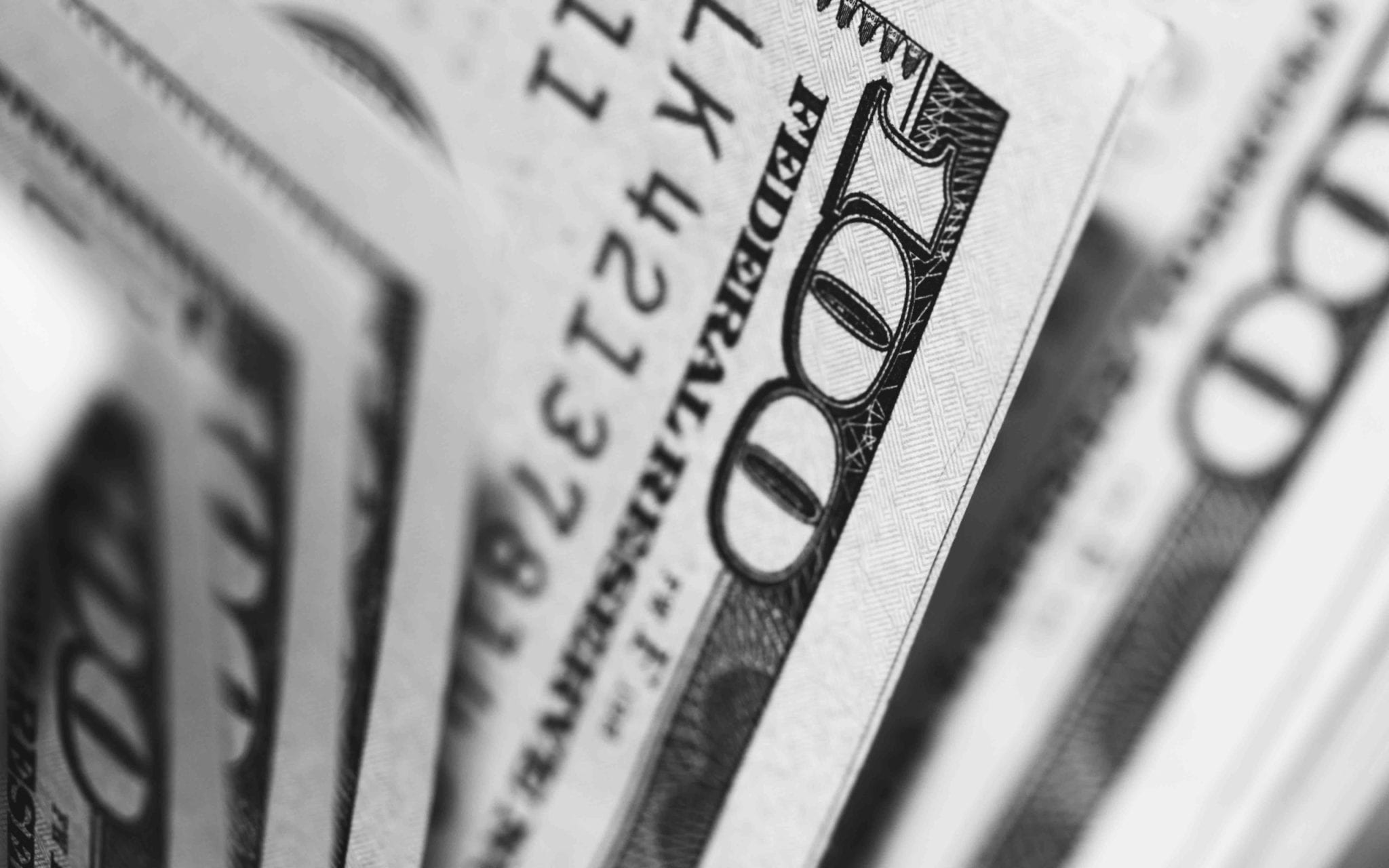
If your criminal defense lawyer told you that the prosecution planned to persuade the jury that you were guilty by using a Xerox machine, your first response would probably be to laugh. Hasn’t forensic technology advanced beyond that point? People used to get excited about photocopy machines in the 1980s, when the only alternative was mimeographs, which made a huge mess and printed in blueberry-colored ink that smudged easily. Today, juries decide about the innocence or guilt of defendants based on DNA evidence from a few stray skin cells on the rim of a drinking cup collected from the crime scene a decade or more before the DNA was analyzed. Why would anyone take photocopies of dollar bills seriously as evidence in 2026? Even in the age of Apple Pay, Venmo, and cryptocurrency, pre-recorded buy money can still be a key piece of evidence in criminal cases, especially those in which undercover officers buy drugs from defendants. If you are facing criminal charges for selling illegal drugs to an undercover cop, contact a Tulsa drug charge lawyer.
Can There Be Reasonable Doubt About Your Guilt When the Police Have Photocopies of the Money in Your Wallet?
Undercover law enforcement officers often buy drugs from people they suspect of being willing and able to sell controlled substances illegally, but they do not do it on a whim. The purpose of the transaction, known as a controlled buy, is to gather evidence against the defendant, but the police must gather a lot of evidence against the defendant before the controlled buy becomes justifiable. Police cannot just go up to random strangers, try to engage them in illegal drug transactions, and see who takes the bait; that would be entrapment in most cases. Instead, the police department justifies its decision to do a controlled buy based on previous communications with the defendant, where the defendant signaled willingness to sell.
Before making the purchase, the police often photocopy the money. The banknotes backed up by photocopies at the police station are known as pre-recorded buy money. The undercover officer might wear a wire to record conversations with the defendant, but even if he or she doesn’t, the fact that the money in the defendant’s possession has the same serial numbers as the photocopies at the police station helps the police get an arrest warrant.
Even if the defendant deposits the money in the bank before the arrest, banks keep records of which bills pass through their branches. The presence of pre-recorded buy money in your possession does not, by itself, prove your guilt. The money could have changed hands one or more times between when the undercover officer spent it and when someone paid it to you, and the subsequent transactions might have had nothing to do with drugs.
Contact Tracy Tiernan About Criminal Defense Cases
A criminal defense lawyer can help you if you are facing criminal charges for selling drugs to an undercover officer. Contact Tracy Tiernan in Tulsa, Oklahoma, to discuss your case.





 123.456.7890