Tracy Tiernan - March 15, 2026 - Criminal Defense
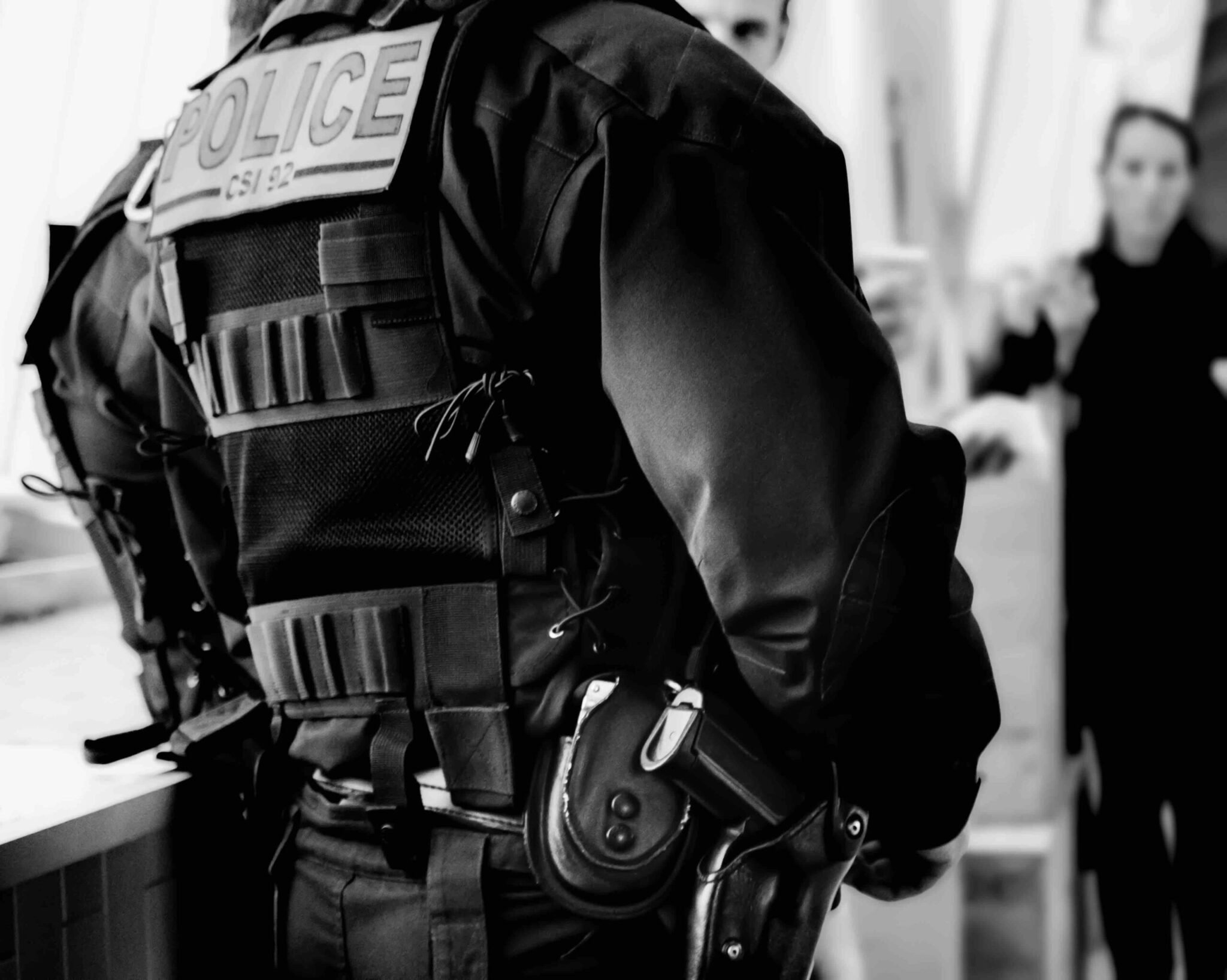
Interacting with police during a tense situation can be a surreal experience. You are not thinking about the big picture. One minute, you are going about your business, and the next, the police are threatening to arrest you, or even handcuffing you, and anything you say or do can make things worse. As scared or angry as you might be, you can avoid a lot of legal problems, or worse, when interacting with the police. The first step is to know your rights and responsibilities. The state cannot impose criminal penalties unless and until you are convicted after due process of law.
If you were wrongfully arrested, the way to get out of the situation is patiently and through the intervention of criminal defense lawyers. For example, you have the right not to answer questions by police; regardless of the circumstances, you can invoke the Fifth Amendment if you believe that answering truthfully could lead to you getting criminal charges or a criminal conviction. Oklahoma has recently implemented a law where simply getting too close to a police officer who is responding to an emergency or suspected crime can constitute obstructing an officer. If you are facing criminal charges for obstructing an officer, contact a Tulsa criminal defense lawyer.
Oklahoma Law Requires Bystanders to Stay 25 Feet Away From Official Personnel Responding to an Emergency
In November 2025, a new law went into effect, elaborating on the definition of obstructing an officer. Pursuant to the new law, you can get misdemeanor charges for obstructing an officer simply by getting too close at the wrong time, even if you do not try to touch the officer or interact verbally. If you get within 25 feet of a law enforcement officer or first responder while he or she is responding to an emergency, you can be convicted of this offense. Charges do not apply unless the officer or first responder first verbally warns you to stay 25 feet away from him or her or from the site of the incident.
It is Legal to Record Law Enforcement Officers at Work
Bystanders have the right to observe public officers doing their public duties, including making arrests. You have the right to film an officer’s interaction with a member of the public. Videos filmed by bystanders have been instrumental as evidence in many civil and criminal cases. If an officer tells you to go 25 feet away when you are filming police at work, you must go 25 feet away, but you can keep filming. With the zoom function on your cell phone camera, you may still be able to get a clear view of the events, and your video may still be admissible as evidence.
Contact Tracy Tiernan About Criminal Defense Cases
A criminal defense lawyer can help you if you are facing criminal charges for obstructing an officer or another charge related to an interaction with law enforcement, such as eluding an officer or resisting arrest. Contact Tracy Tiernan in Tulsa, Oklahoma, to discuss your case.





 123.456.7890